How to Plan a Private Ethiopia Tour: Routes, Duration and Travel Style
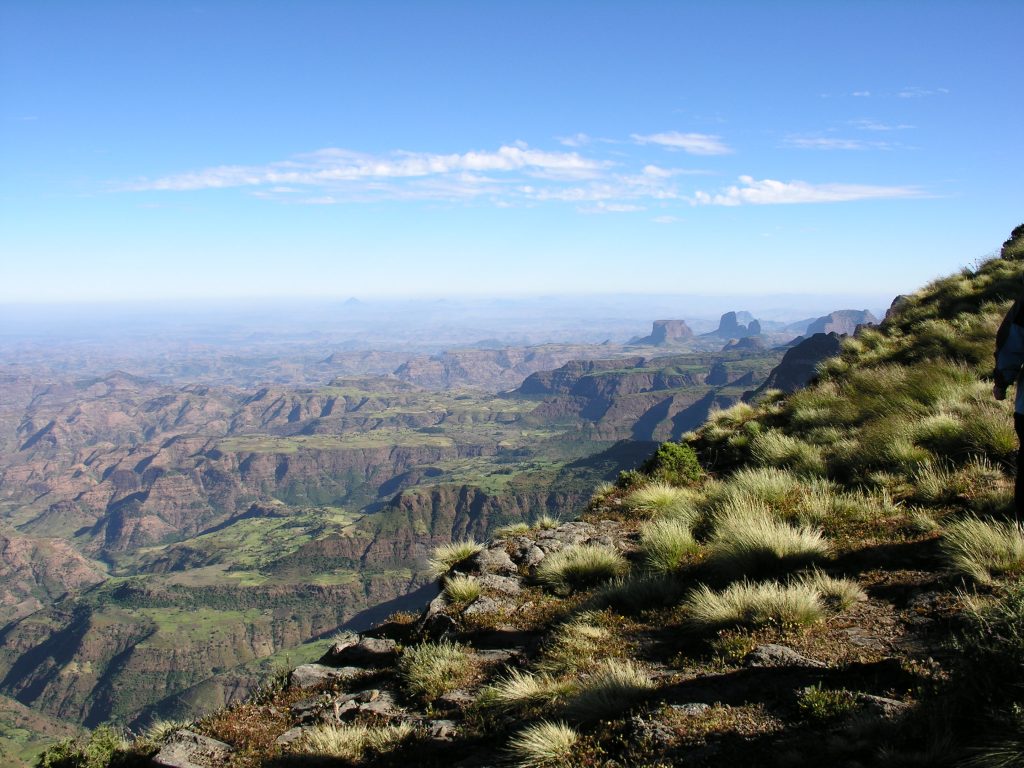
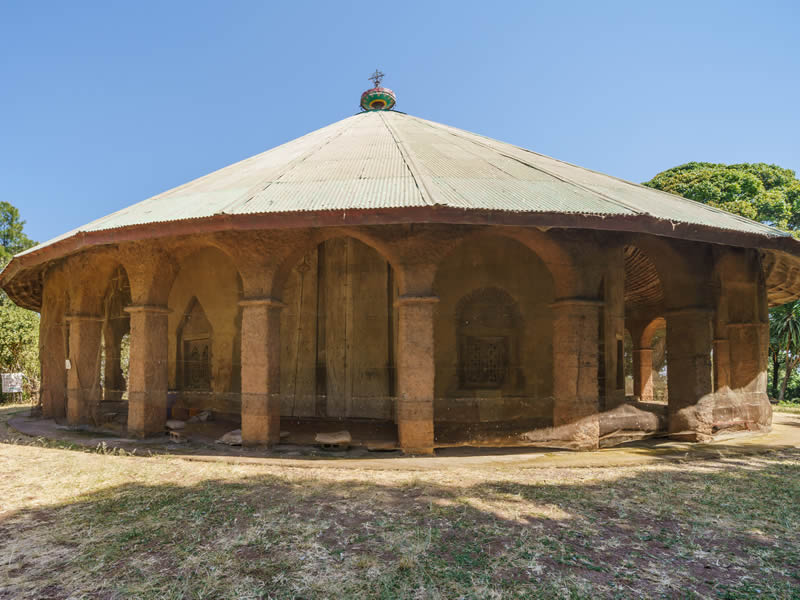
How to Plan a Private Ethiopia Tour: Routes, Realistic Durations, and Travel Styles Direct Answer & Route Planning Framework: Planning a private Ethiopia tour requires selecting between three primary circuits: the Historic North (Lalibela, Gondar, Axum, Bahir Dar; 8–10 days), the Cultural South Omo Valley (indigenous communities, Rift Valley lakes; 7–9 days), and the extreme Geological Frontier of the Danakil Depression (volcanoes, salt plains; 4–5 days). First-time visitors typically prioritize the 10-day Northern Historic Route via domestic flights, while comprehensive 14- to 16-day grand itineraries combine both North and South. Ethiopia is a land of staggering contrasts—a nation that bridges deep biblical antiquity, breathtaking Afroalpine mountain ranges, vibrant indigenous tribal heritage, and surreal volcanic landscapes. Because it is nearly twice the geographic size of France and possesses extraordinary geographic variety, successful trip planning requires thoughtful choices regarding routes, transport logistics, and lodging styles. Whether you are embarking on your maiden trip to the African continent or are an experienced traveler seeking deep cultural authenticity, this master guide provides the practical foundation for planning a seamless, tailor-made private journey with Kibran Tours. 1. Ethiopia’s Three Distinct Travel Circuits The Historic North (The Classic First-Time Journey) The Northern Historic Circuit is Ethiopia’s crown jewel. It showcases over 3,000 years of civilization: the ancient obelisks of Axum, the 17th-century royal stone castles of Gondar, the island monasteries of Lake Tana, and the 11 rock-hewn monolithic churches of Lalibela. This route is best experienced via comfortable domestic flights combined with private 4WD ground touring. Explore our 10-Day Classic Northern Heritage Journey. The Cultural South Omo Valley For travelers interested in photography, ethnography, and living tribal cultures, the Southern Circuit explores the South Omo Valley. Here you encounter the Mursi, Hamer, Karo, and Dassanech communities, alongside Great Rift Valley lakes teeming with birdlife and crocodiles. Discover our 8-Day South Omo Culture and Nature Journey. The Extreme Geological Frontier (Danakil Depression & Erta Ale) Geology enthusiasts and adventurous travelers seek out the Afar Depression, one of the most volcanically active corners of the planet. Featuring bubbling sulfur springs at Dallol and the active lava lake of Erta Ale volcano, this route requires heavy-duty 4×4 expedition vehicles and specialized logistics. See our 5-Day Danakil & Erta Ale Expedition. 2. How Much Time Do You Need? Realistic Trip Durations 7 to 8 Days (Concentrated Highlights): Perfect for focusing exclusively on Lalibela and Axum, or combining Lalibela with a short Simien Mountains wildlife excursion. 10 to 12 Days (Classic Single Circuit): The ideal duration to experience the Northern Historic Circuit thoroughly, incorporating domestic flights and boutique lodge stays. 14 to 16 Days (Grand Combined Tour): Allows discerning travelers to unite the Historic North with the South Omo Valley or the Danakil Depression on our Tailor-Made Ethiopia Grand Journey. 18 to 21 Days (The Comprehensive Expedition): An epic grand voyage encompassing the North, South, Danakil, and Bale Mountains at an unhurried, luxurious pace. 3. Domestic Flights vs. Private 4WD Overland Driving One of the most important decisions when planning an Ethiopian itinerary is balancing domestic air travel with overland driving. Ethiopian Airlines operates an exceptionally reliable, modern domestic flight network linking Addis Ababa to Bahir Dar, Gondar, Axum, Lalibela, Semera, Mekele, and Arba Minch daily. Utilizing domestic flights allows travelers to bypass long 8-to-10-hour highland mountain drives, preserving precious energy and vacation time for exploring UNESCO monuments. However, overland sectors are essential for reaching off-the-beaten-path destinations such as the Danakil Depression, the Simien trekking trailheads, and the South Omo villages. Kibran Tours operates late-model Toyota Land Cruiser 4WD vehicles equipped with high-clearance suspension, comprehensive air conditioning, and seasoned professional chauffeurs. 4. Accommodation Standards: From Luxury Lodges to Wilderness Camps Ethiopia’s hospitality landscape has expanded dramatically in recent years. Discerning travelers can now enjoy world-class accommodations, including: Limalimo Lodge (Simien Mountains): Perched on a dramatic cliff edge, offering sustainable luxury, floor-to-ceiling glass escarpment views, and farm-to-table cuisine. Kuriftu Resort & Spa (Lake Tana, Bahir Dar): Elegant stone-and-timber waterfront bungalows set in lush tropical gardens. Mezena Lodge (Lalibela): Private stone cottages nestled in indigenous acacia woodlands with panoramic views across the Lasta mountains. Gheralta Lodge (Tigray): Built from hand-carved local sandstone overlooking the towering Gheralta pinnacles. Buska & Eco-Omo Lodges (South Omo): Comfortable tented safari cottages offering en-suite bathrooms and peaceful riverbank settings. 5. How Kibran Tours Crafts Your Custom Itinerary Every private journey with Kibran Tours is custom-designed from scratch around your specific travel priorities: Initial Consultation: Tell us your preferred dates, party size, travel interests (archaeology, wildlife, photography, hiking), and physical comfort requirements. Custom Itinerary Design: Within 24 hours, our senior travel designers in Addis Ababa craft a detailed proposal featuring flight schedules, vehicle arrangements, daily highlights, and confirmed lodge recommendations. Refinement & Confirmation: We adjust the pace, add special experiences (like helicopter charters, private choir blessings, or community market days), and secure all reservations with transparent pricing. Seamless In-Country Execution: From your VIP arrival at Bole Airport to your final farewell dinner, your dedicated private tour director and chauffeur ensure absolute safety, comfort, and peace of mind. Start Planning Your Tailor-Made Ethiopia Tour Contact Kibran Tours today to receive a personalized day-by-day route proposal and private quote. Enquire with a Travel Designer
How to Plan a Private Ethiopia Tour: Routes, Duration and Travel Style Read More »